
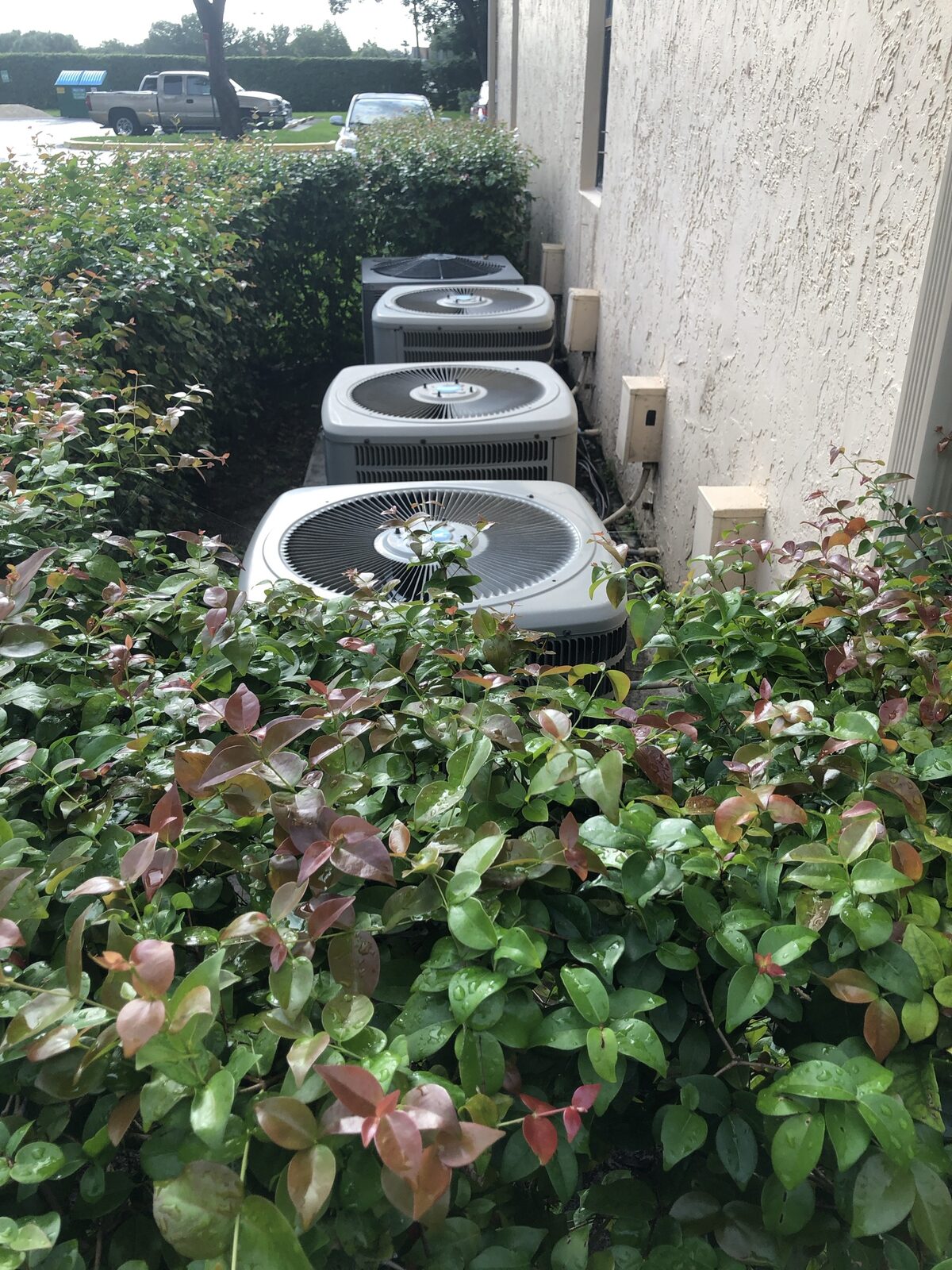
Here's the conversation I have a dozen times a season. A homeowner is convinced the unit is undersized, the house "never gets cold enough," and the fix is obviously a bigger air conditioner. I get it — it feels logical. More cooling, more comfort, right? Wrong. In the vast majority of homes, a bigger unit makes things worse. Let me walk you through why.
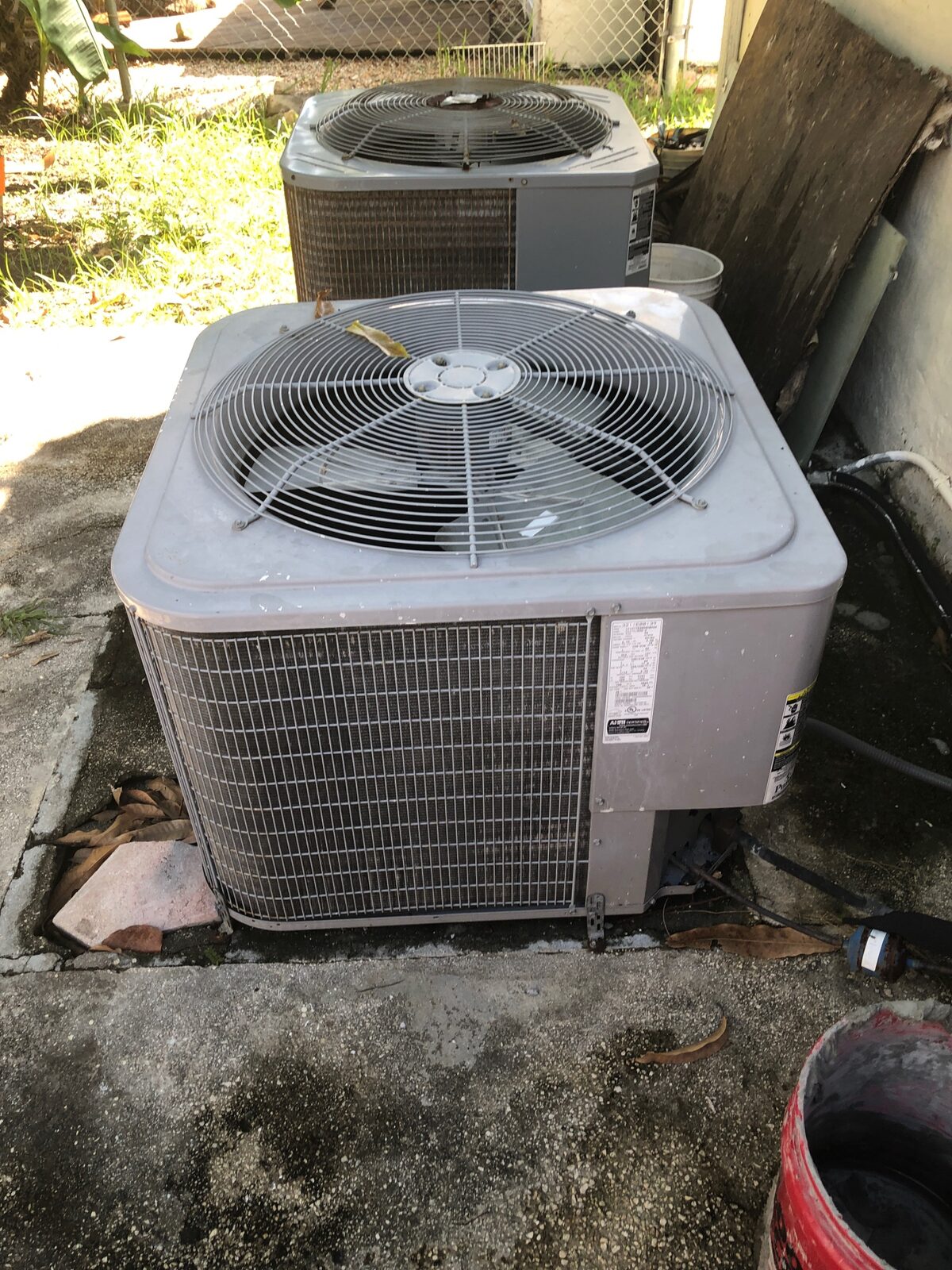
What the AC is actually doing
When your home was built, somebody (hopefully) ran what's called a Manual J load calculation. That's the math that decides how much cooling the house needs — not just to drop the temperature, but to pull the moisture out of the air. That second part is the one everybody forgets. An air conditioner is a dehumidifier that happens to also make things cold.
An undersized unit can't keep up — that part's obvious. But an oversized unit causes a sneakier problem. It cools the air so fast that it satisfies the thermostat and shuts off before it has run long enough to wring the humidity out. You end up with a house that's technically the right temperature but feels cold and clammy, like a basement. That on-off-on-off pattern is called short-cycling, and it's hard on the equipment too.
If your house hits the set temperature but still feels damp and sticky, you almost certainly do not need more tonnage. You need the unit you have to run longer, and you need to fix what's fighting it.
The 20-to-25-degree reality
Now for the law of physics nobody wants to hear. On its very best day, a properly running air conditioner can only pull the indoor temperature down about 20 to 25 degrees below whatever it is outside. So if it's 95° out and you've set the thermostat to 67°, I'm sorry, but it is not happening — not with your unit, not with the biggest unit on the planet, not without turning your living room into a swamp. If 72° inside on a 95° day isn't enough for you, the problem isn't the equipment. You might just want to live somewhere with glaciers.
So why won't my house cool down?
If the home genuinely struggles — say it won't drop below 77° on a brutal afternoon — the answer is almost never "buy bigger." It's usually one of these three, and they're all cheaper than a new system.
1. Your attic is under-insulated
If your home was built before the mid-2010s, I'll bet money your attic is light on insulation. Older code minimums were stingy. Modern recommendations land somewhere around R-30 to R-49 — call it 12 to 18 inches of blown-in — depending on your climate zone. Get the attic right and you'll not only feel the difference, you can knock something like 20% off your cooling bill. That's a return no compressor upgrade will ever give you.
2. Your ductwork is leaking
A 25-year-old duct system commonly leaks 30 to 40% of the air you paid to cool straight into the attic. Think about pulling an ice-cold can of soda out of the fridge and setting it on the patio table on a hot day — it sweats. Now picture 55° air sliding through leaky metal tubes inside a 130° attic. That cold-meets-hot is condensation, and condensation in the dark is exactly the buffet mold is looking for. A quick thermal-camera pass will show you the leaks in minutes.
3. Your windows and envelope
I leave windows to the window folks, but I'll tell you this: glass is the single biggest swing on a load calculation I see. I've watched several thousand BTUs drop off a calc just by swapping tired old single-pane windows for modern impact glass. Doors and roof color matter too. The house is a system; the AC is only one part of it.
If your house is the right temperature but still feels clammy, you don't have a sizing problem — you have a humidity problem, and a bigger unit makes it worse.
The bottom line
Unless you've added real square footage — an addition, an enclosed porch, a finished attic — the system you have is very likely sized correctly. Before anyone sells you more tonnage, insist they look at insulation, duct leakage, and the envelope first. (On the commercial side I built a whole tonnage estimator for exactly this kind of sizing sanity-check; the principle is the same in a house, just smaller.) And if you want to understand the comfort-versus-humidity tradeoff even better, my piece on indoor air quality is a good next stop.
So no, please don't ask me to make your air conditioner bigger. Ask me to make it work harder and smarter, and we'll get along just fine.
The batteries in my flashlight died on a service call the other day, and at first I was sad — then I realized I was de-lighted.
Home Whisperer out!!
About the author: Gregory Frazier is an HVAC estimator who has worked Maryland, Pennsylvania, Delaware, Virginia and Florida for 25+ years. He wrote a homeowner column for a decade and revived it here as The Home Whisperer. Read his story →